The Call That Changed Everything

The beginning of my freedom did not feel like freedom. It felt like rain striking the windshield, a sudden wall of headlights from the left, and the crushing force of a delivery van sliding through an intersection outside Columbus, Ohio.
When I opened my eyes again, I was staring at a hospital ceiling. A monitor kept a steady rhythm beside me, nurses moved beyond the curtain, and my body felt heavy and unfamiliar. When I tried to shift, pain moved through my hips and ribs so sharply that I could not finish the breath I had started.
A trauma specialist explained that my pelvis had been badly fractured, two ribs were cracked, and my left shoulder had suffered serious bruising. With therapy and patience, he expected me to recover, but walking would not happen soon.
None of that was the first thing I asked about.
“My children,” I whispered. “Benji and Rosie. They were in the back seat.”
His expression softened.
“They’re safe. The car seats protected them, and they’re being watched in the pediatric wing.”
Relief passed through me so strongly that my eyes closed. Then he explained that the hospital could provide emergency supervision for only one day. After that, a relative or approved caregiver would need to take over.
My husband, Luke, had passed away the previous spring after a sudden heart condition. Since then, I had learned to manage two babies, a demanding company, and a house that never stayed quiet. But now I could not sit up without assistance, much less carry two one-year-olds through the next several weeks.
There was only one call I thought I could make.
My mother answered after several rings.
“Mom, there was a serious collision,” I said. “I’m in intensive care, and I won’t be able to walk for a while.”
She made a small sound that carried more irritation than concern.
“Tessa, I told you that little sedan wasn’t practical.”
I closed my eyes.
“Benji and Rosie are safe, but someone has to pick them up tomorrow. Could you and Dad stay at my house with them until I arrange longer-term help?”
The pause lasted long enough for me to hear music and the clink of glasses in the background.
“I simply can’t,” she said. “The club tournament starts tomorrow, and I still need time to practice my pickleball serve. Your sister never disrupts our lives the way you do.”
For a moment, I thought I had misunderstood her.
“Mom, I’m lying in a hospital bed. I can’t even stand.”
“And I’m sorry about that, but your father and I already raised our children. We are not permanent emergency staff. You earn good money. Hire somebody.”
Then she ended the call.
I stared at the phone while eight years of family expenses arranged themselves in my mind like entries in a report. I had purchased the four-bedroom house where my parents lived and paid its taxes, insurance, utilities, and repairs. I covered their country club dues, vacations, credit card balances, and the lease on my father’s luxury SUV.
My younger sister, Vanessa, received even more. I had invested nearly two hundred thousand dollars in her upscale home-decor shop, then placed her on the consulting roster of my company, Northline Risk Systems, even though she never attended meetings and could not have explained what the firm did.
I had built Northline from a rented office into a respected cybersecurity and compliance company serving hospitals and credit unions. My work required me to identify hidden exposure and recognize when a system was being quietly drained.
That night, I studied my own family with the same clear eyes.
A nurse named Bethany Reed entered and found me holding the phone against my chest.
“Who can I call for you?” she asked.
Somewhere down the hall, one of my babies began to fuss.
“Adrian Bell. He’s my attorney.”
Adrian answered immediately. I told him what had happened, then gave the instruction that changed everything.
“Cancel every payment connected to my parents and Vanessa. Freeze the extra cards, stop the transfers, remove Vanessa from payroll, and send notice on the house.”
“Including the house?”
“Especially the house.”
My parents had never owned it. Their credit had been too poor to qualify for financing, so a Northline holding company had purchased the property and allowed them to live there under a revocable agreement.
“They’re going to panic,” Adrian warned.
“Then they can learn what panic feels like without charging it to me.”
By midnight, the transfers had stopped, the cards were inactive, Vanessa’s salary had vanished, and my father’s vehicle was scheduled for return.
At 12:09 a.m., my mother called.
I turned the phone facedown and listened to it vibrate until the room became quiet again.
The Price of Their Help

By sunrise, my family had suddenly discovered a remarkable need to speak with me.
My father left messages demanding that I correct what he called a banking error. My mother complained that her breakfast charge had been declined at the club. Vanessa sent a photograph of a rent notice taped to her boutique, followed by one sentence.
“You are ruining this family because your feelings got hurt.”
Not one of them asked about my recovery or whether the twins were frightened.
Adrian arranged a licensed trauma caregiver through my company’s employee-care program, while Bethany persuaded the hospital to move me into a family recovery suite where two small cribs could be placed beside my bed. The first night I heard Benji breathing softly in one crib and Rosie turning in the other, I understood that I was not alone. I had simply spent too many years confusing financial dependence with family support.
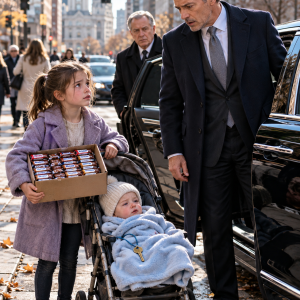
Three days later, Vanessa entered my room wearing a cream designer coat, large sunglasses, and the expensive perfume I had given her for Christmas.
“Mom has barely slept,” she announced.
“I’m recovering well,” I replied. “Thank you for asking.”
She ignored the remark.
“You cannot punish everyone because Mom set a boundary.”
“Refusing to care for two toddlers while their mother cannot stand is not a boundary I intend to respect.”
Vanessa lowered her voice.
“You’re emotional and taking strong medication. Restore the accounts, and we’ll discuss helping with the children.”
Then she placed a folder across my blanket.
The first document granted her authority over my personal finances. The second transferred my voting rights in Northline during my supposed medical incapacity. The third allowed her to use my company shares as security for private loans. Yellow tabs marked each signature line.
She uncapped a gold pen.
“Sign these, and Mom will take the twins tomorrow. You can rest, and I’ll keep the company stable.”
The meaning was clear. My children had become bargaining chips.
I moved my hand toward the folder. Vanessa leaned closer, certain that pain had made me weak enough to surrender.
Instead, I pressed the nurse-call button.
Bethany entered first. Adrian followed with the hospital’s patient-rights director. Vanessa reached for the papers, but Bethany stepped between us.
Adrian studied the final page.
“Interesting. This carries a completed notary seal from Harold Finch.”
Vanessa’s face changed.
“It’s only a sample. I downloaded it online.”
Adrian opened his tablet.
“Then explain why these same documents were sent yesterday to Lakeshore Commercial Lending with a letter claiming that Tessa appointed you acting president of Northline.”
He added that the notary had not been available for more than a year and that his seal had been reported missing.
What Vanessa had never understood was that Northline embedded tracking markers inside every sensitive document. The moment she altered the proxy form on a company laptop, our security team received an alert. When she forwarded it to a lender, the system recorded the device, account, time, and destination.
She had looked at my wheelchair and assumed my whole life had become defenseless.
“You trapped me,” she said.
“No. I gave you room to make your own choice.”
Hospital security escorted her from the suite.
Afterward, Adrian showed me a family group chat recovered from the laptop. The messages had been written the morning after the collision.
My mother had typed:
“Do not go to the hospital. Keep refusing until she becomes desperate enough to cooperate.”
Vanessa had replied:
“The papers are ready. Once she signs over the voting rights, we can restart the transfers ourselves.”
My father had responded with a thumbs-up symbol.
Their refusal had not been careless. It had been planned. They believed fear for my children would push me into handing them control of everything I had built.
I returned the tablet to Adrian.
“Invite them to a family meeting at Greystone House next Friday.”
“Should I tell them what we found?”
“No. Let them arrive believing I am ready to give in.”
The House They Never Owned

One week later, a wheelchair-accessible van carried me up the drive to Greystone House, the stately brick home my parents treated as proof of their success. Autumn sunlight crossed the lawn, and the chandelier I had bought for their anniversary glowed behind the front windows.
Adrian walked beside me with a leather case.
My parents and Vanessa were waiting around the marble coffee table. A bottle of champagne sat open in a silver bucket. Vanessa smiled when she saw me.
“I knew you would come to your senses. You were never going to manage all of this alone.”
My mother remained seated on the velvet sofa.
“You owe us an apology. Your father had to return the SUV, and the club suspended my account.”
My father pointed toward my chair.
“Family helps family. You do not cut off your parents because you are upset.”
I looked at Adrian.
He opened his case and placed three folders on the table.
“The first is formal notice ending your occupancy agreement. Northline Property Holdings owns this residence. You have thirty days to move.”
My mother stood abruptly.
“This is our home.”
“It is the home you were permitted to use,” Adrian replied. “It has never been your property.”
He opened the second folder.
“This contains evidence of unauthorized card charges, false vendor bills, personal expenses paid through company accounts, and compensation issued to Vanessa for work she did not perform. The current civil claim is three hundred eighty-six thousand dollars.”
Vanessa’s glass slipped from her hand and broke against the marble floor.
Adrian touched the third folder.
“This contains evidence connected to the false authority documents, the commercial loan request, and the improper notary seal.”
The front doors opened. Two state financial investigators entered, showed their identification, and calmly asked Vanessa and my mother to accompany them for recorded interviews.
Vanessa turned toward our mother.
“You said she would give in. You said she always does.”
My mother raised both hands.
“Do not blame me for paperwork you created.”
Adrian lifted a printed copy of the group chat.
“Mrs. Caldwell, your written instructions are included here, along with electronic records linking your home internet account to a false witness statement.”
My mother looked at me with an uncertainty I had never seen before.
“Tessa, please. We are your family.”
I moved my chair backward.
“Benji and Rosie are family too. But you remembered that word only after the cards stopped working.”
The investigators led Vanessa and my mother toward the foyer. My father remained in an armchair, staring at the notice on the table. He had not prepared the documents, but he had approved the plan with his silence.
I rolled closer.
“Cooperate with the financial review, return what can be returned, and Adrian will help you find an apartment you can afford on your pension. Fight us, and the civil case moves forward without that help.”
He nodded without looking up.
I turned toward the front door. The house behind me was still beautiful, but it no longer carried emotional weight. It was only brick, wood, glass, and expensive furniture. For years, I had paid for all of it because I believed generosity might eventually be returned as love.
That belief stayed behind when I crossed the threshold.
The Quiet Afterward
Eleven months later, I stood barefoot in the grass behind a smaller house on the edge of Worthington. I no longer used a wheelchair, walker, or cane.
My recovery had been slow. Some mornings, progress meant crossing the kitchen without resting. Some afternoons, it meant completing one more careful exercise while both children applauded as though I had finished a marathon. Gradually, my body remembered how to carry me.
Across the yard, Benji and Rosie chased soap bubbles through the sunlight. Bethany sat on the patio with iced tea. Six months earlier, I had asked her to direct a new family-care foundation funded by Northline, providing emergency childcare and temporary home support to parents recovering from serious medical situations without dependable relatives nearby.
Vanessa eventually accepted responsibility for submitting false financial documents. She received supervised probation, substantial restitution requirements, and a permanent restriction from managing client funds. Her boutique closed and its remaining assets were sold.
My mother cooperated with investigators to reduce her own legal exposure. She sold jewelry and luxury items to cover part of the civil settlement, then moved with my father into a modest two-bedroom apartment far from their former country club.
I did not celebrate their discomfort. I had simply stopped protecting them from the natural consequences of their decisions.
My phone buzzed.
“We miss you and the children. This apartment feels so small. Can we please start over?”
I watched Rosie reach for a bubble while Benji laughed beside her. For the first time in years, I felt no urge to explain, defend, or rescue anyone.
I typed one reply.
“Start by becoming people my children would be safe loving.”
Then I blocked the number and placed the phone on the patio table.
The silence that followed did not feel lonely. It felt orderly and clean, like a room after unnecessary furniture has finally been carried away.
Bethany lifted her glass toward me.
“Another lap?”
I smiled.
“Another lap.”
I stepped forward, slowly but steadily, while my children ran ahead through the warm afternoon light.